"Plastic surgery” and “cosmetic surgery” are terms that are often used interchangeably, but when it comes to board certification,
the distinction matters more than most people realize. When a physician says they are “board-certified,” it means they have completed a specific set of training requirements and examinations administered by a certifying board. However, not all boards have the same standards. The key detail is which board is doing the certifying and what kind of training that board requires.
Any licensed physician can legally perform cosmetic surgery, regardless of their specialty training. The American Board of Medical Specialties (ABMS) was established to set a higher standard of credentials for patients to rely upon when selecting a specialized provider. ABMS represents 24 physician specialty certifying boards. In this article, we’ll break down the board certifications you’re most likely to encounter when searching for a qualified plastic surgeon and what they really mean:
- Board-certified plastic surgeons (ABPS)
- Board-certified facial plastic surgeons (ABFPRS)
- Board-certified cosmetic surgeons (ABCS)
Board-Certified Plastic Surgeon
Board-certified plastic surgeons specialize in plastic surgery procedures across the entire body. While the
American Board of Plastic Surgery is
technically
the only plastic surgery board that is recognized by the American Board of Medical Specialties (ABMS), board-certified
facial
plastic surgeons are also covered under the ABMS umbrella through certification with the American Board of Otolaryngology - Head & Neck Surgery.
ABPS Requirements:
- Graduate from a medical school accredited in the US or Canada
- 6 years of rigorous surgical residency in the US or Canada, with at least of those 3 years dedicated solely to plastic surgery
- Pass comprehensive written and oral board exams administered by the ABPS
- Maintain ongoing continuing education and recertification
- Hold the appropriate licensure
- Operate in an accredited facility
Board-Certified Facial Plastic Surgeon
A board-certified facial plastic surgeon is certified by the
American Board of Facial Plastic and Reconstructive Surgery (ABFPRS). Unlike general plastic surgeons, facial plastic surgeons focus
exclusively on the face, head, and neck, allowing for a highly specialized level of expertise in both aesthetics and function.
Although the American Board of Facial Plastic and Reconstructive Surgery is not itself an ABMS member board, ABFPRS certification requires prior board certification from either the American Board of Otolaryngology - Head & Neck Surgery or the American Board of Plastic Surgery, both of which are recognized by the ABMS.
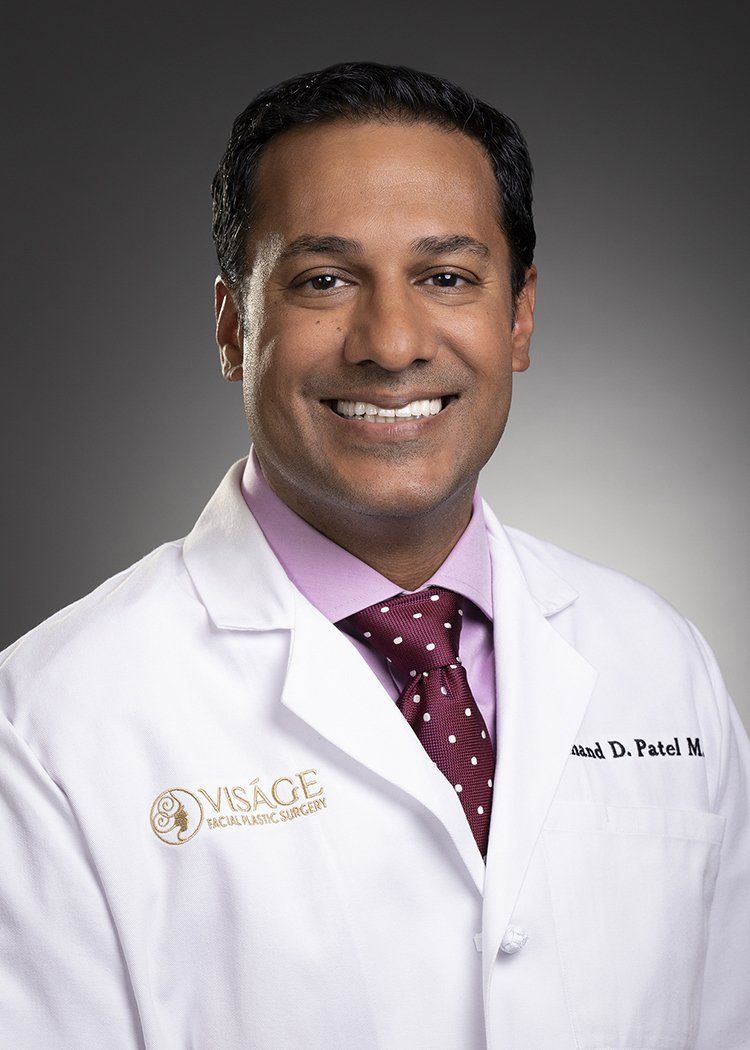
Dr. Anand Patel, for example, is double board-certified with the
American Board of Facial Plastic and Reconstructive Surgery as well as the
American Board of Otolaryngology, Head & Neck Surgery, which
is recognized by the
ABMS. This is because he specializes in facial plastic surgery rather than general plastic surgery.
Facial plastic surgeons specialize exclusively in the face, including:
- Rhinoplasty (nose surgery
- Facelifts and neck lifts
- Eyelid surgery
- Brow lifts
- Facial reconstruction
- Non-surgical facial aesthetics
ABFPRS Requirements:
- Graduate from a medical school accredited in the US or Canada
- Complete a
5-year residency in Otolaryngology–Head and Neck Surgery (ENT) (an ABMS-recognized specialty)
- Earned prior certification by the American Board of Otolaryngology, the American Board of Plastic Surgery or the Royal College of Physicians and Surgeons of Canada
- 1-2 year facial plastic surgery fellowship
- Pass rigorous written and oral exams
- Maintain ongoing certification and continuing education
- Hold the appropriate licensure and adhere to the ABFPRS Code of Ethics
- Operate in an accredited facility.
Board-Certified Cosmetic Surgeon
This is where the line gets blurred and the term "board-certified" can be misleading. The American Board of Cosmetic Surgery (ABCS) is not recognized by the American Board of Medical Specialties (ABMS), which means it is not held to the same nationally standardized training and oversight requirements as ABMS-recognized boards. While ABCS certification does involve additional training and examination in cosmetic procedures, its standards are set independently and do not require completion of a plastic surgery or facial plastic surgery residency. As a result, surgeons with very different educational backgrounds and levels of surgical exposure may all use the same “board-certified” label, making it difficult for patients to understand what that certification truly represents.
ABCS Requirements:
- Medical degree
- Complete a residency in
a recognized surgical specialty
- Complete an
AACS-certified cosmetic surgery fellowship
- Submission of extensive cosmetic surgery case logs
- Pass a cosmetic surgery board exam specific to their certifying board
Selecting A Plastic Surgeon
In conclusion, while many providers use the term “board-certified,” not all certifications represent the same level of training, oversight, or surgical experience. Understanding what these credentials mean can help you make a more informed and safer decision when choosing a surgeon for your cosmetic procedure. Always verify which board your prospective surgeon is certified by and choose one with extensive training in the procedure you are considering.
American Board of Otolaryngology, Head & Neck Surgery
American Board of Facial Plastic and Reconstructive Surgery
American Board of Plastic Surgery