

Facial Implants: The Permanent "Filler"

November 12, 2020

Some people are born lacking bone structure in certain features of their face. Others lose soft tissue volume from extreme activity (such as running) or chronic disease. But for many, volume loss is simply a result of the natural aging process. While fillers and fat transfer can help bring back volume to some degree, silicone facial implants are currently the best solution for adding permanent, symmetrical definition to the structure of the face.

What areas of the face can implants be placed?


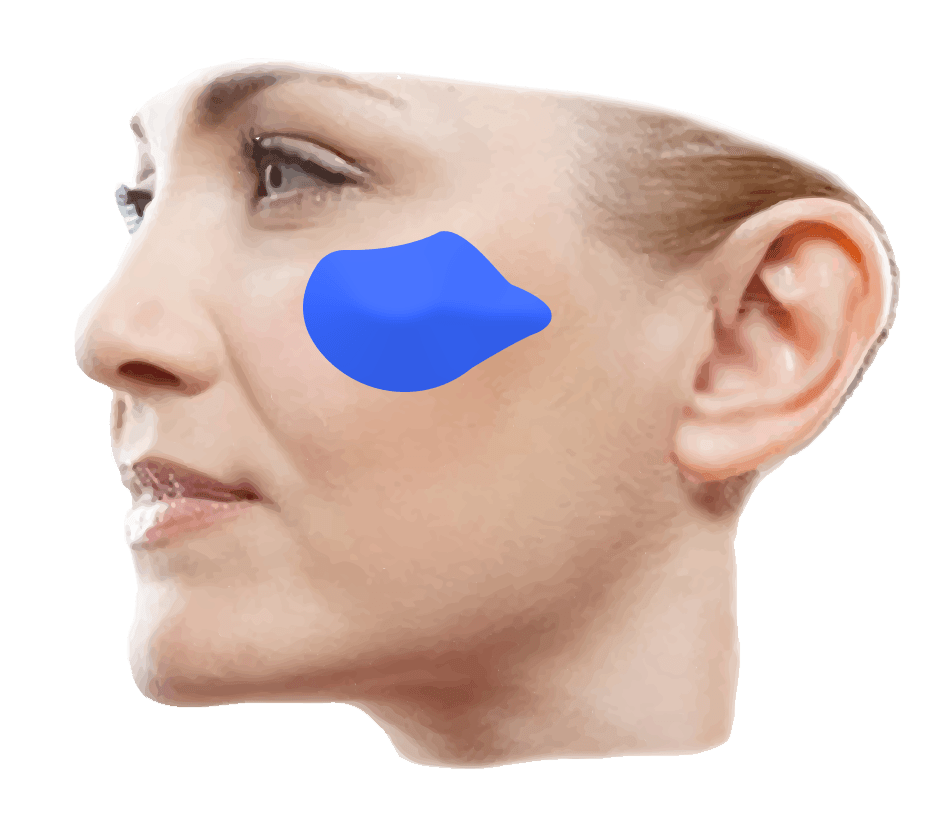
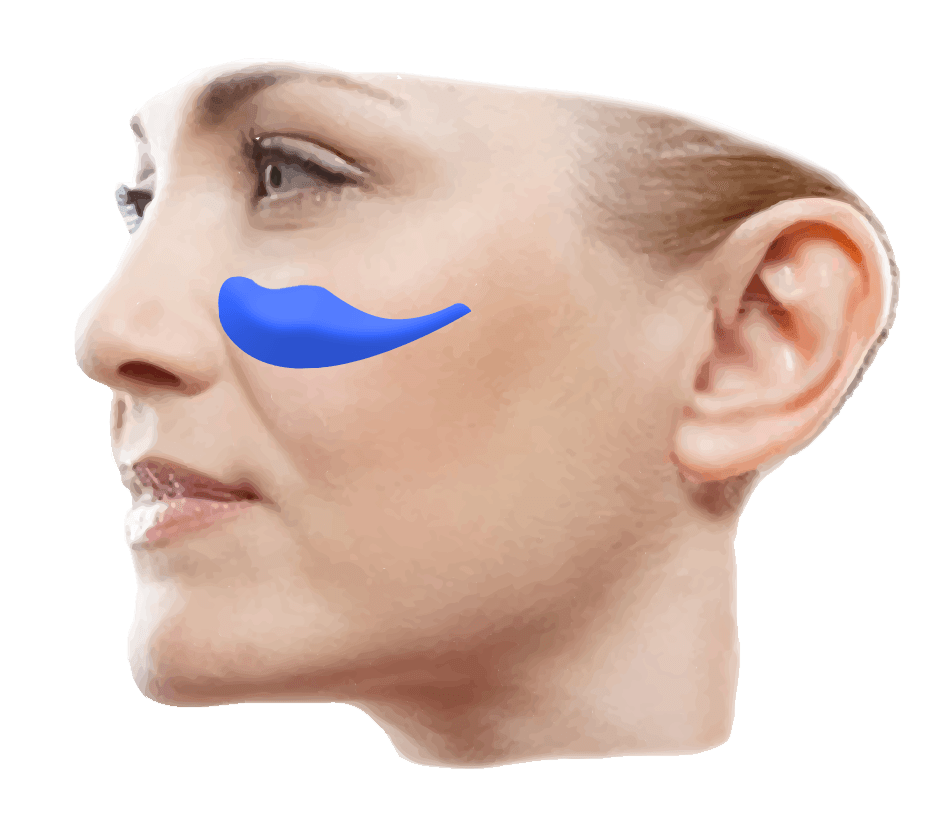
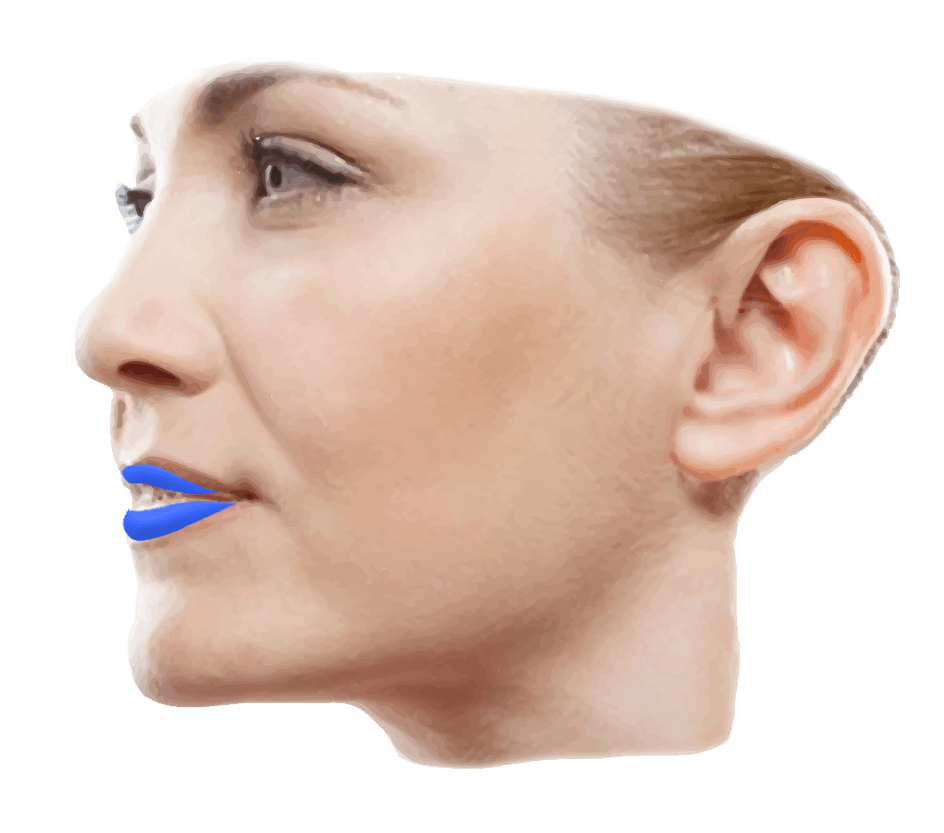
Implants can be used in many areas of the face, but the cheek, chin, midface and lips are the most common. We use firm silicone implants to mimic bone structure in the cheek, middle of the face, and chin. Soft, flexible implants can add volume to soft-tissue areas like the lips.

How is the procedure performed?


We perform all implant procedures in the surgery center under general anesthesia. Prior to being positioned in the face, the silicone implants are soaked thoroughly with an antibiotic solution. A path is made from the incision site to the area of desired augmentation. Once placed, the implants are temporarily secured with sutures. During the healing process, the body forms a capsule around the implant which keeps it in place. The entire procedure takes around 2-3 hours.

Where are the incision sites?


Most implants are inserted through incisions along the lower eyelid or inside the mouth.


How long does it take to heal?


The average at-home recovery time is about 5-7 days. Swelling and bruising is normal for the first 2 weeks after surgery. On average, 90% of the swelling subsides by 6 weeks after surgery. In the end, all swelling and bruising will diminish.


What is the recovery process after getting facial implants?


Immediately after surgery, the incision is sealed with dissolvable stitches and the surgeon places a light compression on the implant site to reduce swelling. The compression taping will be removed in about 5-7 days at your post-op appointment. Depending on the incision site, the patient will be advised to use either an oral antibiotic rinse or antibiotic eye drops to avoid infection. Patients often feel a dull ache or tightness around the area of implantation, though it reduces significantly every day after surgery.


Are there any risks or side effects with facial implants?


The solid silicone implants used by Dr. Patel are safe and cannot burst or leak. Although the procedure provides a permanent result, it is also reversible should one decide to remove the implants in the future.

dr anand patel facial implants

Interested in facial implants? Dr. Patel can help you achieve your desired look. Click here to schedule your phone consultation today.


Anand D. Patel, MD specializes in surgical and nonsurgical treatments for the face and promotes a philosophy of natural and long-lasting rejuvenation. He is double board certified with the American Board of Facial Plastic & Reconstructive Surgery and American Board of Otolaryngology, Head & Neck Surgery. His concentrated background in the face and neck allows mastery of both the technical and artistic challenges of these areas.


Latest Blog Posts

ask an expert dr anand patel md
By Anand Patel April 6, 2026
How long is it normal to have swelling after rhinoplasty? Find out how long swelling lasts and how to reduce it.
april special graphic with gold easter eggs
April 3, 2026
Celebrate Easter all month long with a special treat! Enjoy $25 off skincare when you book any non-surgical treatment this April.
alastin ultra nourishing moisturizer
March 31, 2026
We recently added a new moisturizer to our lineup: Alastin Ultra-Nourishing Moisturizer with TriHex Technology.